



Russell Herman Conwell founded Temple University with $7 million he made telling the same story 6,000 times.
The story was about an African farmer who sold his land to go search for diamonds. He wandered the continent for years, never found any, and eventually threw himself into a river in despair.
Back home, the guy who bought his farm found a weird looking rock in a stream on the property. Turned out to be a massive diamond. That farm became one of the richest diamond mines in the world.
Everyone knows this story. Conwell made it famous. Earl Nightingale made it useful.
In 1956, Earl added two words to this story that changed everything: Intelligent Objectivity.
When I first heard Earl explain what those words meant, I had to replay the tape three times. Not because it was complicated. Because it was so obvious I couldn't believe nobody talks about it.
Earl had figured out why that farmer couldn't see his diamonds. Why none of us can see ours. And his explanation was brilliant.
But there was one problem Earl couldn't solve with the tools he had in 1956.
Today we can solve it. And once you see how, you'll never look at your work the same way again.
Earl's Revolutionary Definition
Here's what Earl actually said, word for word:
"Intelligent objectivity: the ability to stand off and look at your job as a stranger might. A stranger who considers your pasture greener than his own."
Earl wasn't talking about being objective or analytical. He was talking about seeing your work through the eyes of someone who desperately wishes they had what you have.
Think about it. When you look at someone else's business, their expertise, their client relationships, you see all the good stuff. The opportunities. The potential. The things they could leverage that they're totally ignoring.
But when you look at your own work, you see the problems. The boring parts. The stuff you've done a thousand times. The client calls you dread. The proposals that feel like pulling teeth.
Earl figured out that we literally cannot see our own value because familiarity breeds blindness, not contempt.
He told us to study our industry for an hour a day. Build a library. Learn everything about our field. And he was right. That makes you an expert.
But here's what Earl couldn't have known in 1956: becoming an expert makes the blindness worse, not better. The more you know, the more ordinary it seems to you. The very expertise Earl helped us build becomes the thing that hides our value from us.
Earl gave us the map to expertise. What he couldn't give us was a way to see that expertise once we had it. At least not like this…
The Problem Earl Couldn't Solve
He knew experts couldn't see their own value. That's why he created the "Intelligent Objectivity" framework in the first place. He just didn't have the neuroscience to explain why.
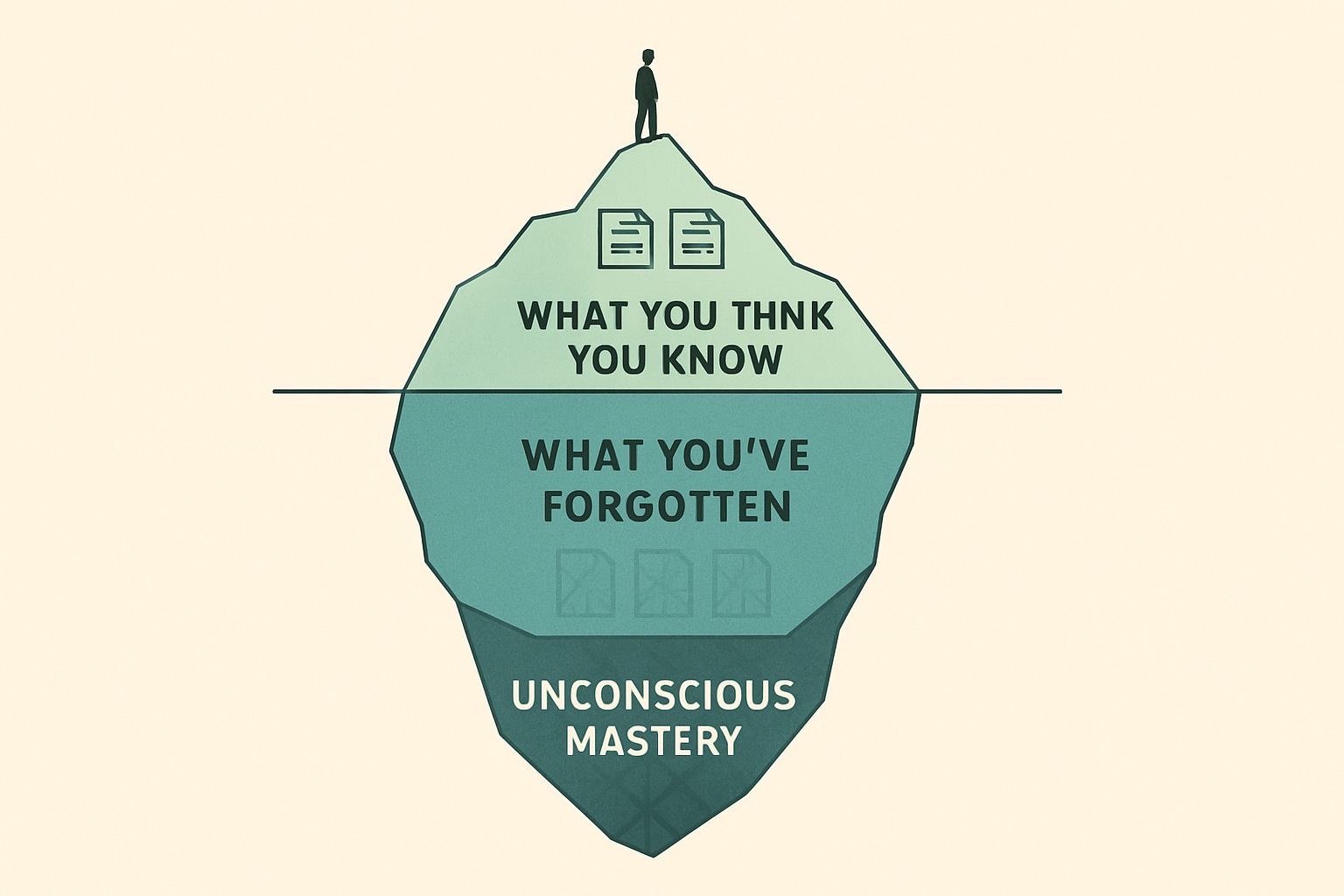
Today psychologists call it "expert-induced amnesia." You literally forget what you know because it becomes so automatic. Like how you can't explain exactly how you ride a bike. You just do it.
Every week I work with consultants who have 20+ years experience. They all say the same thing: "I don't do anything special."
Then they'll describe what they do. The patterns they see instantly. The questions they know to ask. The problems they prevent before they happen. And they genuinely think anyone could do it.
"That's just experience," they say.
But experience isn't "just" anything. It's thousands of micro-skills you've forgotten you learned. Patterns you see without trying. Mistakes you don't make anymore because you made them all twenty years ago.
The better you get at something, the more invisible it becomes to you. Your expertise doesn't feel like expertise. It feels like common sense. Like breathing.
Earl saw this problem clearly. He knew we needed to see through a stranger's eyes. What he couldn't know was how our brains would fight us every step of the way.
Better Questions Worth Asking
So if our brains literally won't let us see our own expertise, what do we do?
Earl's framework suggests we stop asking ourselves the usual questions. Because when you ask "What's my expertise?" your brain says "nothing special." Every time.
Instead of "What's valuable about my work?"
Ask: "What would someone pay dearly to be able to do like me?"
Instead of "What's my expertise?"
Ask: "What would make someone jealous watching me work?"
Instead of "What should I package?"
Ask: "What would someone sacrifice a year to learn from me?"
These work because they force you to think about your work from outside your own head. You stop seeing it through your bored, familiar eyes.
Try it. Right now. What would someone literally pay to watch you work for a day? Not for the output. Just to observe your process. Your decision-making. The things you notice that others miss.
That question makes you uncomfortable, doesn't it? Your brain is probably saying "nobody would pay to watch me do anything."
The Modern Solution Earl Would Have Loved
What if you had access to the ultimate stranger? Something with no familiarity with your work. No assumptions about what's easy or hard. No blindness from repetition.
AI is that stranger.
I know how that sounds. But think about it. AI has never done your job. Never sat through your meetings. Never dealt with your clients. It has zero context for what's impressive about what you do.
When you feed it a conversation or a work sample, it sees patterns you can't see anymore. Not because AI is magic. But because it's the perfect implementation of Earl's intelligent objectivity framework.
It's literally a stranger looking at your work. And when you prompt it correctly, it becomes a stranger who considers your pasture greener than its own. It can point out the expertise you've forgotten you have. The patterns you don't realize you're following. The value you're creating without thinking about it.
Earl gave us the diagnosis. AI gives us the cure.
What You're Actually Standing On
Earl said something else that cuts straight to the heart of this:
"Start now to become a student of your industry. You'll be amazed at the results in 5 years or less. You can become a national expert in your field and it's the experts who write their own tickets in life."
Here's what he didn't say…
If you've been in your field for 5+ years, you're already there. You just can't see it.
Every consultation where you spot a problem in minutes that would take others days to find? That's expertise.
Every time you know exactly which question will unlock a stuck project? Expertise.
Every pattern you recognize without thinking, every disaster you prevent without trying, every shortcut you take without noticing? All expertise.
But it's worse than just not seeing it. You actively discount it.
That problem you solved last week? "The client was overthinking it."
That process you improved? "Anyone would have caught that."
That insight that changed everything? "I just asked an obvious question."
Earl also said: "Somewhere in your present work there lurks an opportunity which will bring you everything you could possibly want for yourself and your family. It will not be labeled opportunity. It will be hidden in common everyday garments."
Those common everyday garments? They're your Tuesday client calls. Your routine problem-solving. Your "nothing special" approach that somehow always gets results.
The diamonds are there. AI just helps you finally see them.
The Five Prompts That Mine Your Diamonds
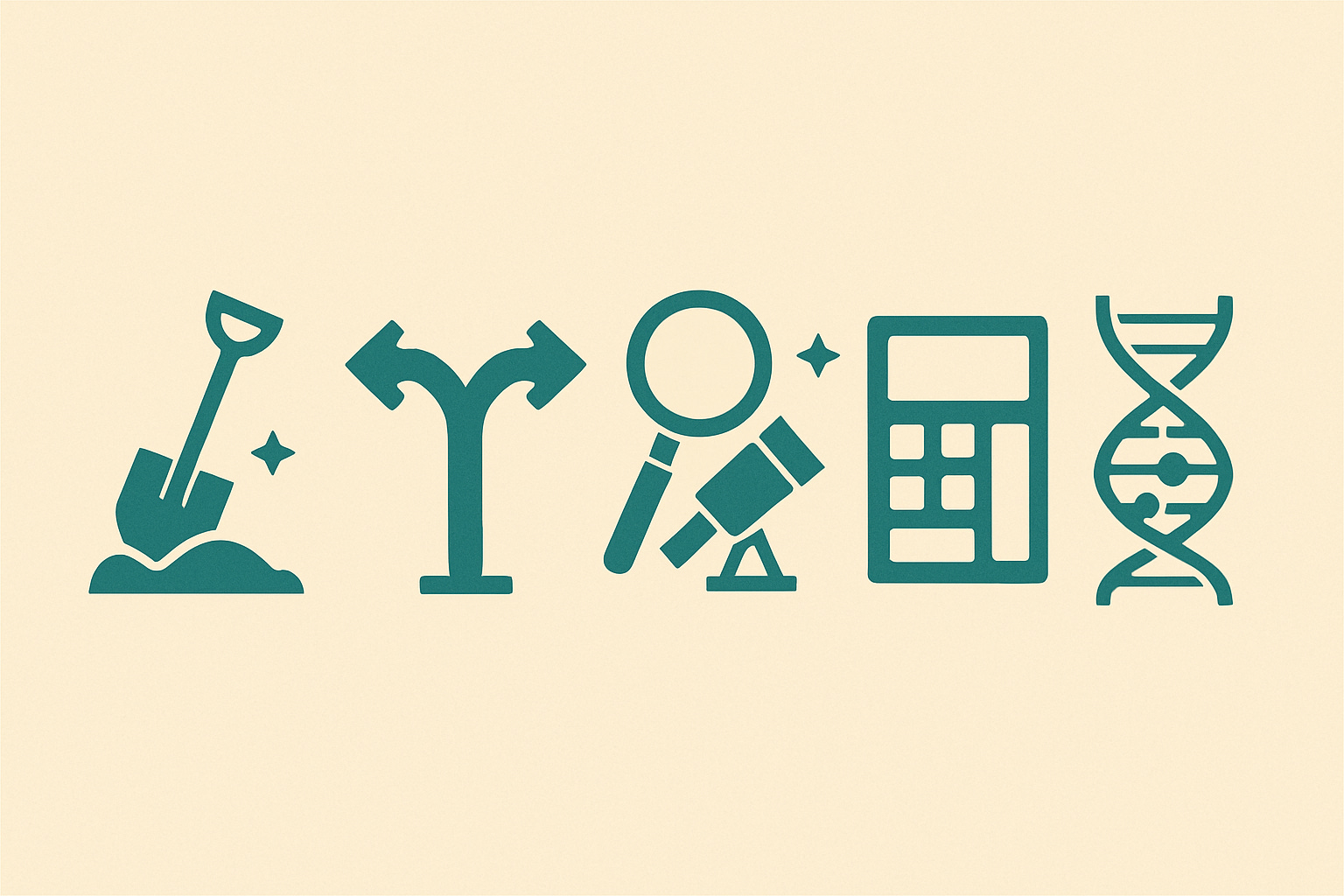
I've created five specific prompts that turn AI into your intelligent objectivity engine. Each one helps you see your expertise from a different angle:
The Archaeology Dig - Digs five layers deep into your expertise, from what everyone can see down to the bedrock mastery you've forgotten you have.
The Parallel Universe Analyzer - Shows how other experts would handle your situations. Makes your unique approach suddenly visible by comparing it to theirs.
The Microscope + Telescope Method - Finds the patterns in how you work at every level, from split-second decisions to big-picture thinking.
The Hidden ROI Calculator - Counts up all the value you create, especially the problems you prevent and skills you transfer that clients never notice.
The DNA Sequencer - Maps what's common, what's rare, and what only you can do in your approach.
Feed these prompts any transcript, any client conversation. The regular Tuesday check-in calls often show more than the big presentations, that's when you're just working, not performing.
The complete guide below includes:
The neuroscience behind why your brain hides your expertise from you
Real stories of people who almost missed million-dollar expertise (Colonel Sanders thought his recipe was "nothing special" at 65)
All five prompts with exact wording you can copy and paste
Instructions for what to feed the prompts and how to read the outputs
Pro tips for getting the most valuable discoveries
The prompts work like an MRI for your expertise - showing layers from surface skills down to your irreplaceable "expertise DNA."
Earl's Final Truth
Near the end of his recording, Earl said this:
"In order to become a professional in a world of amateurs, we need to study three important subjects."
He listed your industry, your job, and people. But he missed the fourth and most important: studying what you already unconsciously know.
Because as Earl himself said: "Ask yourself: Do I know as much about my job and my industry as a good doctor or lawyer knows about his?"
If you've been doing your work for years, the answer is yes. You know infinitely more than you think you do. You just need intelligent objectivity to see it.
Earl gave us the concept. Now we have the tools to implement it.
Your acres of diamonds are waiting. They always have been.
Two Ways to Find Your Diamonds
You have two choices right now.
You can try to force yourself to see through stranger's eyes on your own. Maybe journal about your work. Ask friends what they think you're good at. Make lists of your accomplishments.
It works about as well as trying to tickle yourself. Your brain knows it's you doing it, so it doesn't respond the same way.
Or you can use the five AI prompts I've developed that turn any conversation into extracted expertise in about 10 minutes. These aren't generic "tell me what's valuable" prompts. They're specifically designed to bypass the exact blindness Earl identified.
Feed them any transcript, any client conversation, any work sample. The regular Tuesday check-in calls often reveal more than the big presentations. That's when you're just working, not performing.
The prompts work like an MRI for your expertise. They show you layers from surface skills down to the bedrock mastery that makes you irreplaceable.
Earl gave us the diagnosis. AI gives us the cure. The complete guide below shows you exactly how to use both.


