

In 2011, Netflix launched streaming at $7.99 a month.
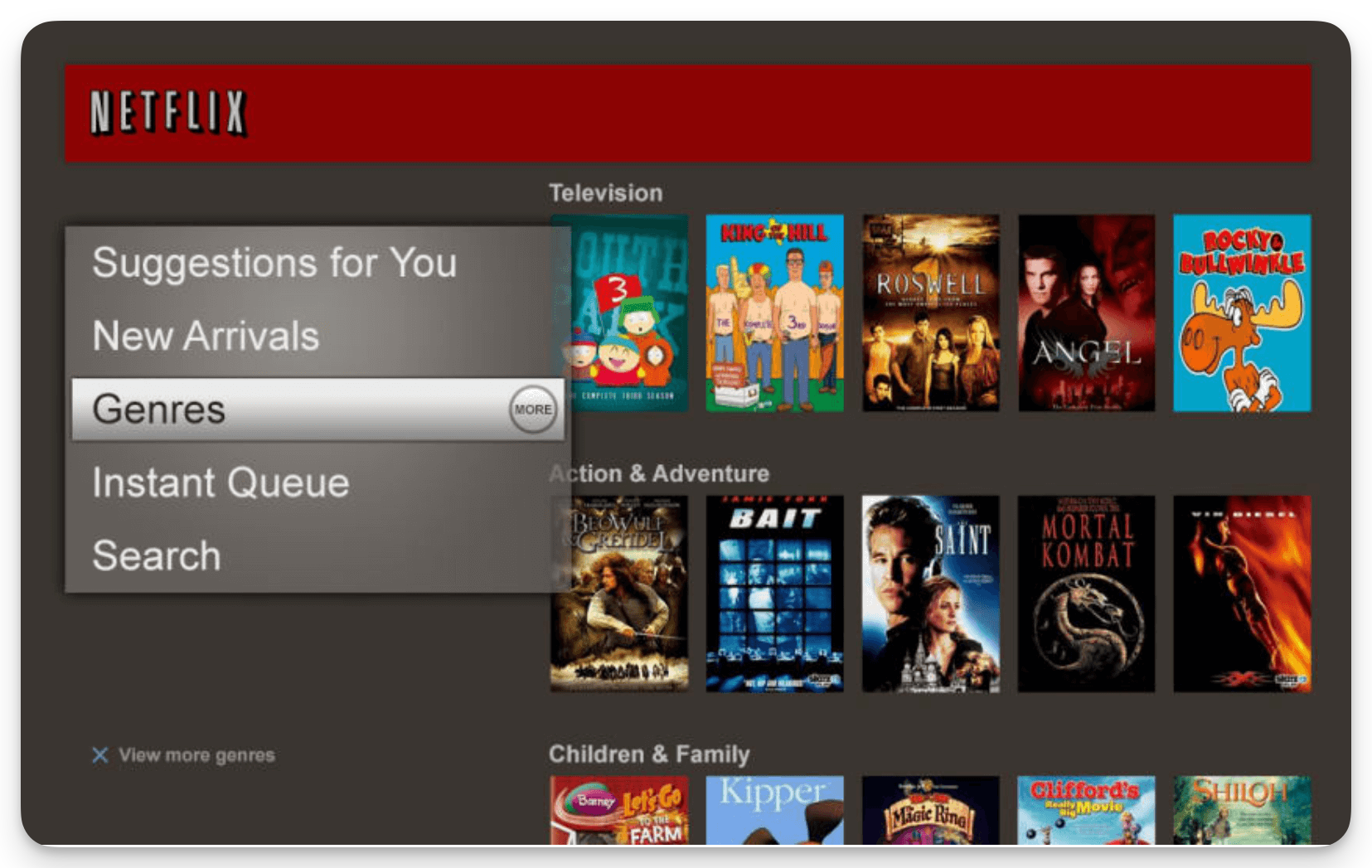
The pitch was almost apologetic. “Who’s going to pay for this?” was a real question. DVDs still made sense. Blockbuster was still standing. The whole thing felt like an experiment Netflix wasn’t sure would work.
So they priced it like they weren’t sure.
Today, their premium tier is $24.99. But they didn’t just raise prices. They proved the model, then kept adding value. Original content. Global expansion. Better technology. The price grew because what they delivered grew.
And here’s what people forget…
The higher price is what made better service possible. You can’t build a studio, hire showrunners, and stream in 4K worldwide at $7.99. The customers who pay more today get more than the customers who paid less in 2011. That’s how it’s supposed to work.
The $7.99 price was the “I don’t know if this works yet” price. Once they knew, everything changed.
The people who subscribed in 2011? They got the Doubt Discount.
