

There’s a strange thing that happens in my work. I sit down with a smart person. I show them a map of how they think. Not fake AI stuff. Their own words, their own decisions, written down so they can finally see them.
And sometimes they cry.
Not sad crying. The other kind. The kind that shows up when something true finally hits home.
For a long time I didn’t know why so I went and read what scientists have figured out about this exact feeling.
Here’s what I discovered, explained in a simple way, because it turns out this is one of the most interesting things about being a person.
This has a name, and it’s older than me
I thought I’d stumbled onto something brand new. I hadn’t. Scientists have been studying “what happens when someone shows you a true picture of yourself” for years.
They just used bigger words for it.
Turns out, there’s a kind of therapy where the whole point is to hand someone the results of a test about themselves and talk it through.
Here’s what they found when they added up all the studies. The biggest change wasn’t in fixing problems, though that mattered plenty. It was in the person feeling understood.
Feeling seen.
There’s also an exercise where people ask their friends and family to tell stories about them at their best. Then they read all the stories together. People come out of it lit up, full of fuzzy feelings, ready to go take on the world.
So the thing I do has cousins. And the cousins all point to the same clue.
Being shown a true, kind version of yourself does something powerful to a human being.
Why the tears? You have two brains, and they disagree
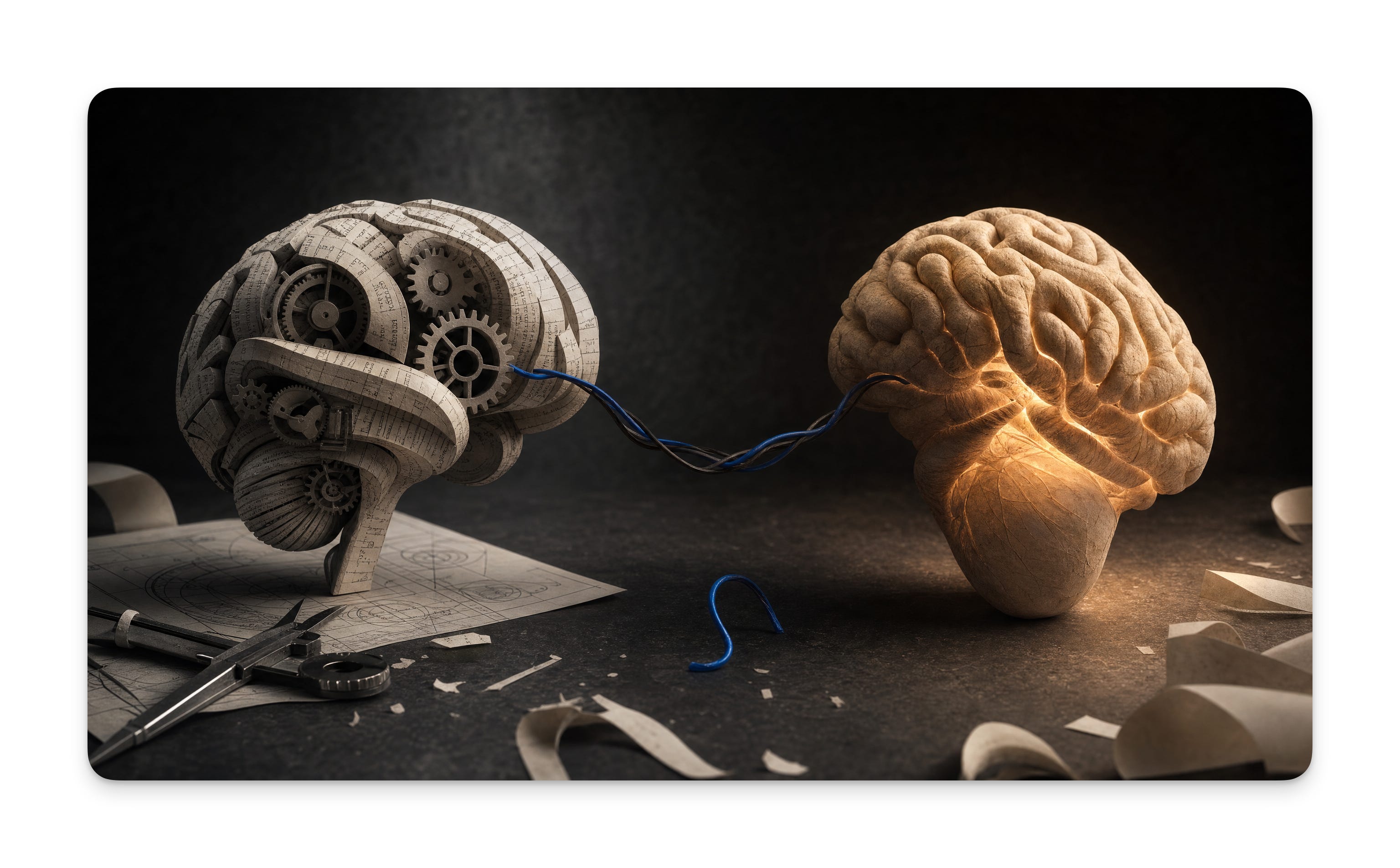
Scientists figured out that when someone gives you feedback, two different parts of you react, and they don’t always agree.
One part is your thinking brain. It asks:
“Is this true? Does this match what I already believe about myself?”
The other part is your feeling brain. It just asks:
“Does this feel good or bad?”
Now picture a talented person who secretly thinks they’re not that good. This happens all the time, even to experts. Maybe especially to experts.
You show them proof of how brilliant they are. What happens?
Their feeling brain says yes. Right away. Warm. Happy. Their feeling brain never argued with good news in the first place.
But their thinking brain has spent years saying “I’m not really that good.” It wants to push the compliment away. It wants to say “you’re just being nice.”
Here’s the trick, and it’s the whole secret of my work.
When the proof is their own words, their thinking brain runs out of arguments.
It can’t say “you’re just being nice,” because the words aren’t mine. They’re theirs.
Caught in the act of being great.
So the thinking brain finally stops fighting. And when it stops fighting, the feeling that was there the whole time comes rushing up.
That’s the crying. That’s the sound of the fight ending, of a person finally letting themselves believe something good they could never believe before.
This is why proof beats praise
You might think, “Why not just tell people they’re great? Why the whole map?”
Because praise and proof aren’t the same thing, and your brain treats them completely differently.
Scientists found something almost spooky here. If you praise someone way past what they believe about themselves, it can actually make them feel worse. Their body treats it like a threat. It doesn’t land like a gift. It lands like pressure, like a lie they now have to live up to.
Proof is different.
Proof doesn’t ask you to believe a nice story. Proof shows you the thing you already did. You can’t feel like a fake about something you can watch yourself doing.
So the rule is simple. Don’t flatter people. Show them the receipts.
What happens after the tears
The crying is just the doorway. What matters is what walks through it.
When people can finally see and name what they’re good at, they start doing things differently:
They raise their hand more. When you’ve got a clear, honest picture of what you bring, you stop shrinking. You say yes to the room you used to hide from.
They make better choices. People with a clear sense of their own strengths make sharper decisions about what work to take and what to charge for it. A fuzzy sense of self makes fuzzy choices. A clear one makes clean ones.
They can finally hand things off. You can’t teach or delegate a skill you can’t name. The moment it has a name, you can give it to someone else. You stop being the only one who can do the thing.
Naming your genius does more than feel good. Once you can name it, you start using it on purpose.
The twist that makes me careful
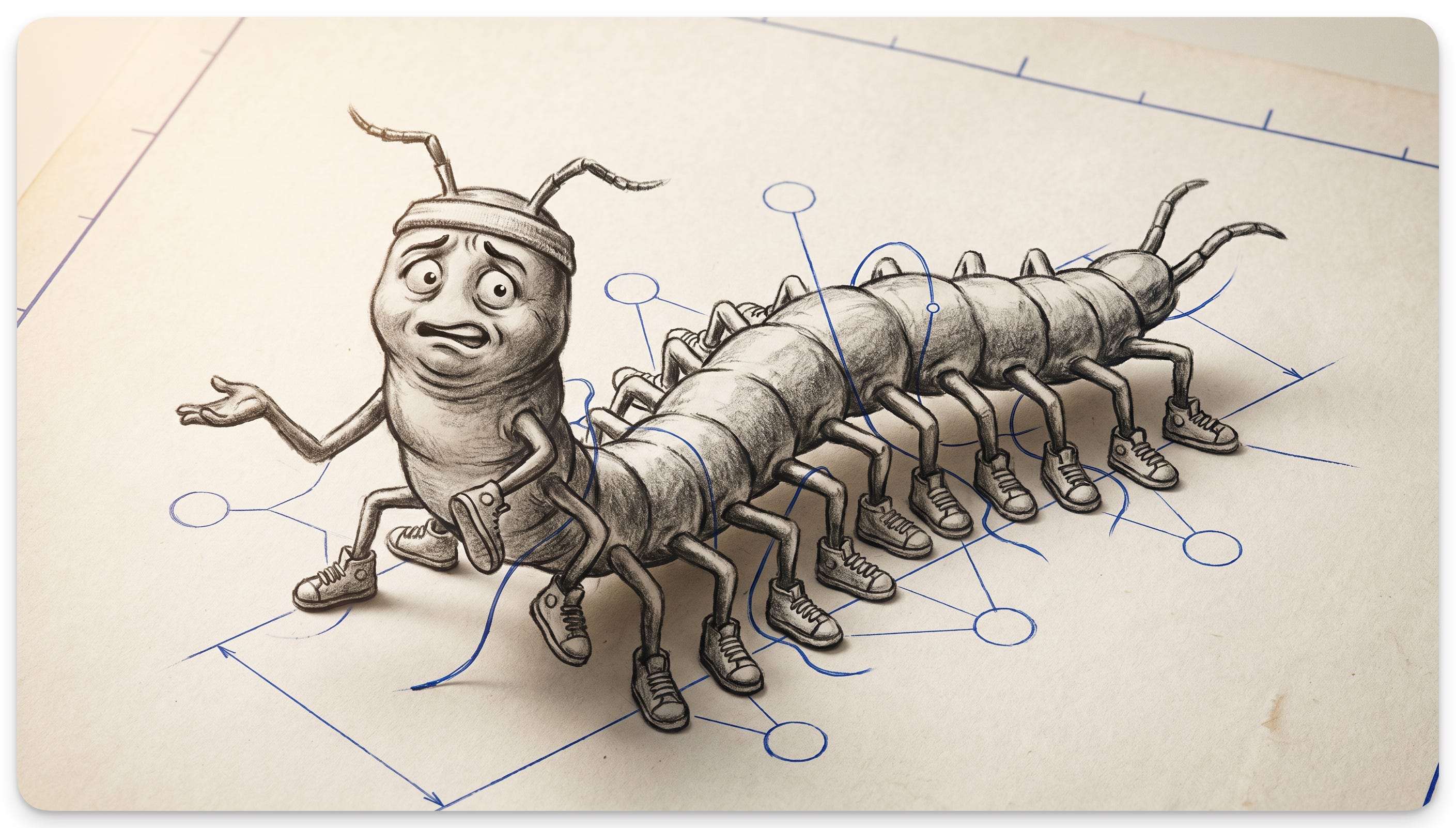
There’s an old story about a centipede.
Somebody asks the centipede how it walks with all those legs, which one moves first, how does it keep them straight.
The centipede starts thinking about it. And then it can’t walk at all. It trips over its own legs. It had never needed to think about it, and thinking about it broke it.
That’s a real thing, and scientists have watched it happen.
Take an expert golfer. Their body knows how to putt. It’s smooth and automatic (“it’s all in the hips”). Now make them think hard about exactly how their arms move while they do it. Their putting gets worse. The thinking gets in the way of the doing.
When I play tennis the same thing happens to me. The more I think about my serve, the more likely I am to hit my partner in the back of the head.
But here’s the weird part of the weird way our brain works.
This only happens to certain kinds of skills. The smooth, automatic, in-the-moment ones, like putting a ball or hitting a serve. Those can break when you shine a light on them.
The other kinds of skills are safe, and even get better when you name them.
How you make a judgment call
What you choose to focus on
How you frame a problem
Naming those doesn’t break them. It hands you a new dial you didn’t know you had.
So there’s a line.
On one side, naming a skill makes it stronger.
On the other side, naming it can trip the centipede.
Here’s the good news. Even the tricky skills can be protected. Get someone used to being watched, little by little, and the tripping fades. It’s not a wall. It’s something you can train your way around.
But it means my job isn’t just to show people everything. It’s to know what is safe to shine a light on, and what is better left to run in the dark, doing its quiet, brilliant thing.
And one more honest thing
I won’t pretend the science answers everything. It doesn’t, and I’d rather tell you that than sound more sure than I am.
We know that naming your feelings helps you handle them. Whether naming your skills works the exact same way, nobody has actually tested yet. It’s a great guess. It’s not a proven fact.
We also don’t yet know how long the change lasts. The tears are real. The good feeling in the room is real. Whether it’s still working a month later, when you’re back in your normal life, is something no one has measured well.
Those aren’t holes to hide. They’re the next questions worth chasing. And honestly, almost nobody is chasing them, which means there’s room to be the one who finally answers them.
If you remember one thing
Someone shows you a true picture of your own genius, built from your own words.
Your feeling brain says yes right away.
Your thinking brain finally runs out of reasons to say no. The gap between them closes, and that closing is the tears.
Then you carry a clearer version of yourself back into your life. You raise your hand more. You choose better.
You can finally teach what you do.
And a wise guide knows there’s one thing left to protect.
The handful of skills that work best when you let them run without watching.
Even a genius should leave a few of their legs alone.
The part you can’t do by just understanding this
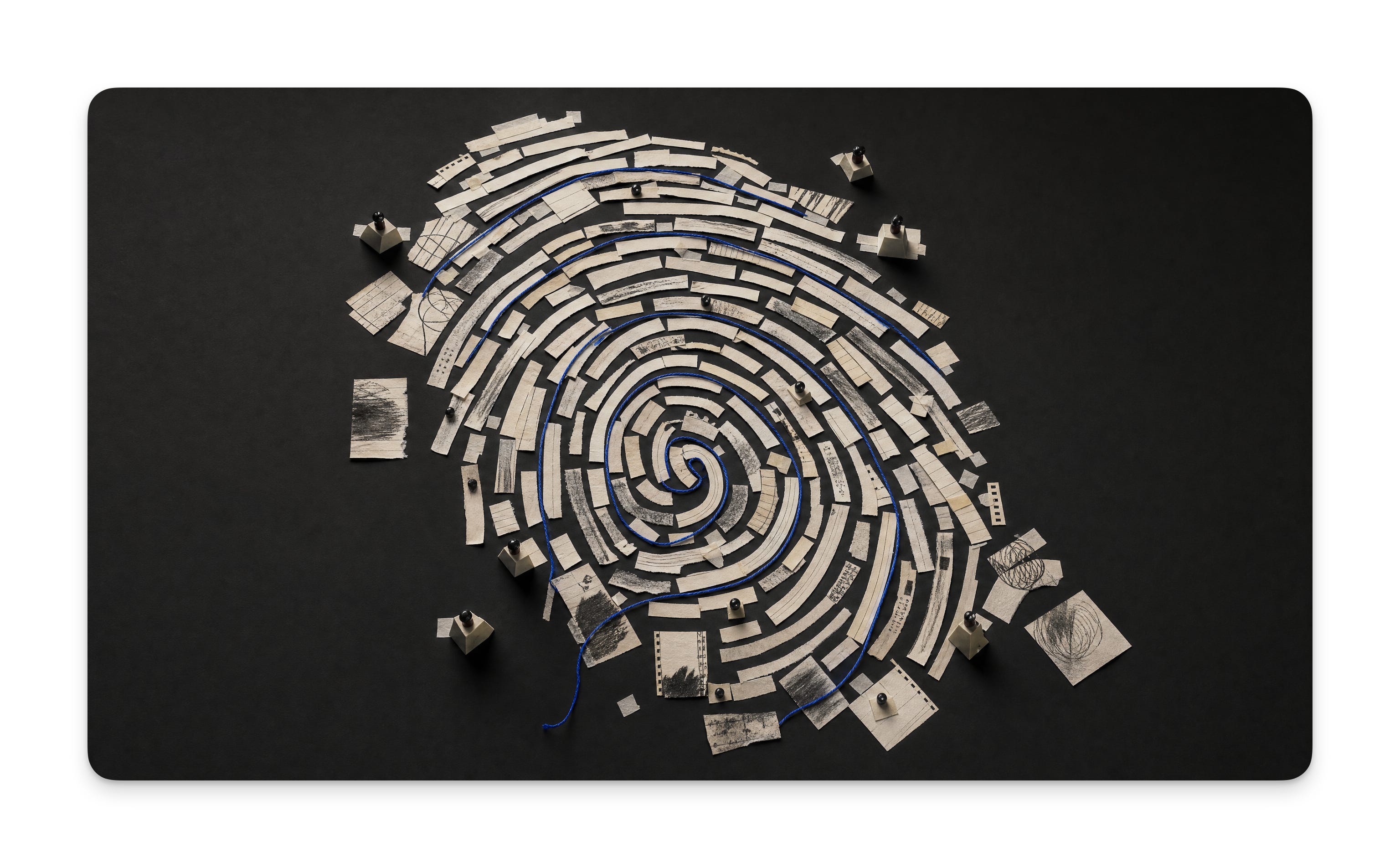
You’ve got the mechanism now. A true picture works because it gives your thinking brain proof and your feeling brain permission at the same time.
But knowing that and being able to do it on yourself are two different jobs.
Left alone, you’ll either flatter yourself, argue with the compliment until it dies, or shine a floodlight on a skill that worked better in the dark.
I built The Proof Mirror for that gap. It’s a prompt or Swkill workflow you run on your own material, not your self-opinion. It pulls patterns from call transcripts, emails, notes, and decisions, separates proof from praise, and flags the handful of skills you should name gently or leave alone.
The setup checklist, the extraction prompt, the proof audit, and the centipede check are below.
